Need stamped concrete in St. Louis?
Send a quick estimate request or ask a question. Tell us about your driveway or patio, and a local provider can follow up with next steps.
No obligation
Request an estimate when you are ready
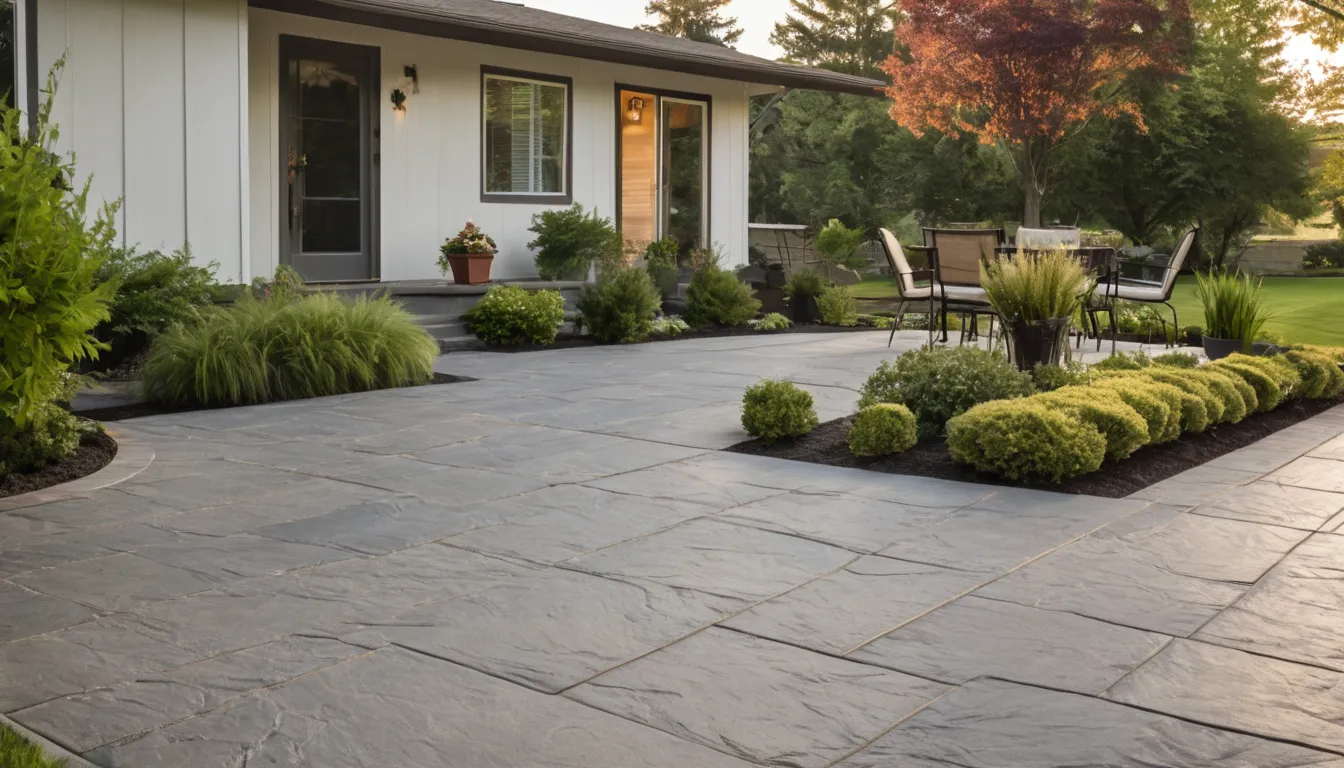
Stamped concrete is poured flat, pressed with patterns while soft, then colored and sealed. It can look like slate, brick, or wood. Many homeowners in the St. Louis area choose it for a patio, a walkway, or a porch landing.
Elpeace Concrete is a referral service. We do not pour or stamp anything ourselves. We explain your options in plain words, then connect you with independent local providers who do the work. Take your time. Pour comes later. First you get a clear picture of the pattern, the color, the season, and the questions to ask.
Thinking about a stamped surface? Good. You have time to do this well. Nobody needs to mix a batch today. A little planning now saves a lot of fuss later.
Take a few pictures of the spot. Shoot the whole area, then the edges near the house. Add one of any slope and one of any low, soggy corner. Providers can learn a lot from photos before anyone visits.
First comes the plan. Think about size, pattern, color, and where the water will run. Jot down a rough budget too. Then you are ready for a real talk with a provider.
It is regular concrete, pressed with patterns while still soft. The finished look can pass for stone, brick, slate, or wood. It counts as concrete flatwork, which means it is poured flat over prepared ground.
A provider sets forms and packs down a gravel base. Next comes the concrete, with color mixed in or rubbed on top. While the surface is soft, installers press mats or stamps across it. Later the slab is cured, cleaned, and sealed. Each step has its own timing, so the weather sets the pace.
Ashlar slate and random stone are common picks. Brick herringbone feels cozy and classic. Wood plank patterns suit people who want a deck look without the upkeep. Warm tan, soft gray, charcoal, and earthy brown are popular colors.
Many homes in our region are frame houses from many decades back, plus bungalows and ranch homes. Quiet colors often suit them. Pick a tone that echoes your roof, brick, or trim. Ask to see a sample in daylight, because color looks different outdoors.
Stamped concrete works well for walkways, pool decks, porch landings, and entry areas. Stamped concrete patios are the most common request. A border or accent band on a larger slab is another idea to bring up.
A patio needs a gentle slope away from the house. That matters a lot with full basements and sump pumps. Water should move out and away, not toward your walls. If you already see damp walls or cracks in the foundation, talk with foundation repair experts first. That is a separate job.
Pavers are individual pieces. You can lift one if it settles. But they have many joints, and weeds or ants can find them. Stamped concrete is one slab with fewer joints. Cracks can still show up, and a patch may not match the color perfectly. Both need a well-packed base to handle deep frost.
Winters here bring deep frost. Summers are hot and humid. Spring can mean flooding, and storms can bring hail. Concrete likes a mild, dry stretch. Rain can mar a fresh surface, and strong heat can make it set too fast. Many providers book up in warm months, so ask early.
Most small patios take a few days on site. Prep and forms come first. Pour and stamping usually fill one day. Then the slab needs rest. Light foot traffic may be fine after a few days, but furniture and heavy loads wait longer. Sealing often comes after the concrete has cured. Ask your provider for their own schedule.
Sweep often and rinse with a hose. Use mild soap for spots. Plan to reseal every few years, since sealer wears down in sun and wet weather. In winter, use sand for traction and a plastic shovel. Ask your provider which de-icers are safe for the first winter.
If you are staring at a cracked old slab, that is a repair question, like concrete driveway repair. This page is about new stamped work.
Ask to see photos of past stamped jobs. Ask about base depth, slab thickness, control joints, sealer type, and cleanup. Ask who handles permits, if your town requires one. Check that the provider holds the licenses and insurance your area asks for.
A good quote lists the size, the pattern, the color, the prep work, and the sealer. Compare line by line, not just the bottom number. If something is vague, ask. Providers in our network are independent, so each one prices and schedules on their own.
You do not have to decide everything first. Send your photos and a few notes through the form. A provider can take it from there, with no obligation.
Prefer to talk it through? Request a callback to check provider availability in your area.
Stone, brick, slate, and wood looks, pressed into soft concrete by installers.
Integral color, hand-rubbed accents, and a sealer to bring out the tone.
Gravel base, forms, and control joints set up so the slab handles frost.
Cleaning and sealing once the slab has cured, timed to weather and mix.
Prices vary by size, pattern, color, access, and local labor. These are typical U.S. ranges only. Get a written quote from a provider before you decide anything.
| Item | Typical range | Notes |
|---|---|---|
| Basic stamped slab, per sq ft | $12 – $20 | One color, simple pattern |
| Detailed pattern, two-tone color, per sq ft | $18 – $30 | More labor and skill |
| Small patio, about 200 sq ft | $2,400 – $6,000 | Depends on pattern and prep |
| Large patio, about 400 sq ft | $4,800 – $12,000 | Bigger pours can lower the per-foot price |
| Sealer, per sq ft | $1 – $3 | Resealing is needed every few years |
| Grading or old slab removal, per sq ft | $1 – $5 | Varies with access and slope |
Take a few pictures of the area, the edges, and any low or wet spots.
Note a pattern and color idea, even if you are not sure yet.
Send the form, and a local provider can reach out to talk about your plan.
Review the scope, base, sealer, and schedule before you choose a provider.
We explain patterns, timing, and questions in plain words before you talk to anyone.
Independent providers in our network know regional soil, frost, and weather.
See your choices side by side, so nothing feels rushed or confusing.
Request an estimate with no obligation, and decide at your own pace.
Send a quick estimate request or ask a question. Tell us about your driveway or patio, and a local provider can follow up with next steps.
With a good base and regular resealing, stamped concrete can last for many years. Deep frost, de-icing salts, and skipped sealing shorten its life, so ask your provider about care.
Any concrete can crack. Providers cut control joints so cracks tend to follow planned lines. A solid base and proper drainage help a lot. Ask how your provider handles joints, and what a patch might look like.
A sealed surface can get slick, especially in rain or frost. Many providers add a grip additive to the sealer. Ask about it if your patio is shaded or sloped.
Send a quick estimate request or ask a question. Tell us about your driveway or patio, and a local provider can follow up with next steps.
No obligation